Overlooking a single deadline on the Saint Peter's University academic calendar can mean more than just a late fee—it can derail financial aid, registration priority, and even your progression toward graduation. Staying proactive requires more than a quick glance; it demands a structured approach to calendar management from the moment it's published.
Why Standard Reminders Often Fail
Many students rely on general phone alerts or memory, which consistently fall short. The academic calendar is a complex web of interconnected deadlines where one missed date creates a domino effect. For instance, the last day to drop a course without a "W" grade often precedes the deadline for tuition adjustments, meaning a missed withdrawal date directly impacts your finances and your transcript.
Map Your Personal Academic Timeline
The most effective strategy is to build your own master calendar. Begin by extracting every date that personally applies to you. Filter out irrelevant graduate or session-specific deadlines. Focus on undergraduate milestones: add/drop periods, withdrawal deadlines, registration windows for the next semester, final exam schedules, and holidays that impact class meetings. Use a digital calendar app that allows you to set multiple alerts—one week out, three days out, and the day before—for each critical deadline.
Pinpoint the Highest-Stakes Errors
Not all mistakes carry equal weight. The most damaging are those with irreversible consequences. Missing the final tuition payment deadline can result in a dropped registration. Exceeding the course withdrawal window can turn a failed class into a permanent "F" on your transcript. Failing to apply for graduation by the posted deadline can delay your diploma by a full semester. These are the errors that cost real time and money.
Verify Dates Every Single Semester
A common but costly assumption is that calendar dates are similar each year. They are not. University calendars are adjusted annually based on fiscal years, holiday observances, and institutional scheduling. The first day of classes, the deadline to apply for graduation, and the schedule for spring break can all shift. Never rely on last year's calendar or a friend's timeline. Your first step each term should be to locate and review the official, published schedule directly from the university registrar's website.
When in Doubt, Confirm with a Source
If you encounter a date that seems ambiguous or have a question about how a policy applies to your situation, don't guess. The cost of a brief inquiry is minimal compared to the cost of a mistake. Direct your questions to the specific office that manages that calendar item: the Bursar's Office for payment deadlines, the Registrar's Office for registration and withdrawal dates, or your academic advisor for requirements related to your degree program. A two-minute email or visit can provide the definitive answer you need.

Managing the academic calendar isn't about perfection—it's about having a reliable system. By personalizing your schedule, focusing on high-stakes dates, and verifying information each term, you transform the calendar from a source of anxiety into a tool for control. This proactive discipline ensures your focus stays on your studies, not on recovering from an avoidable administrative misstep.
Acordes De Guitarra
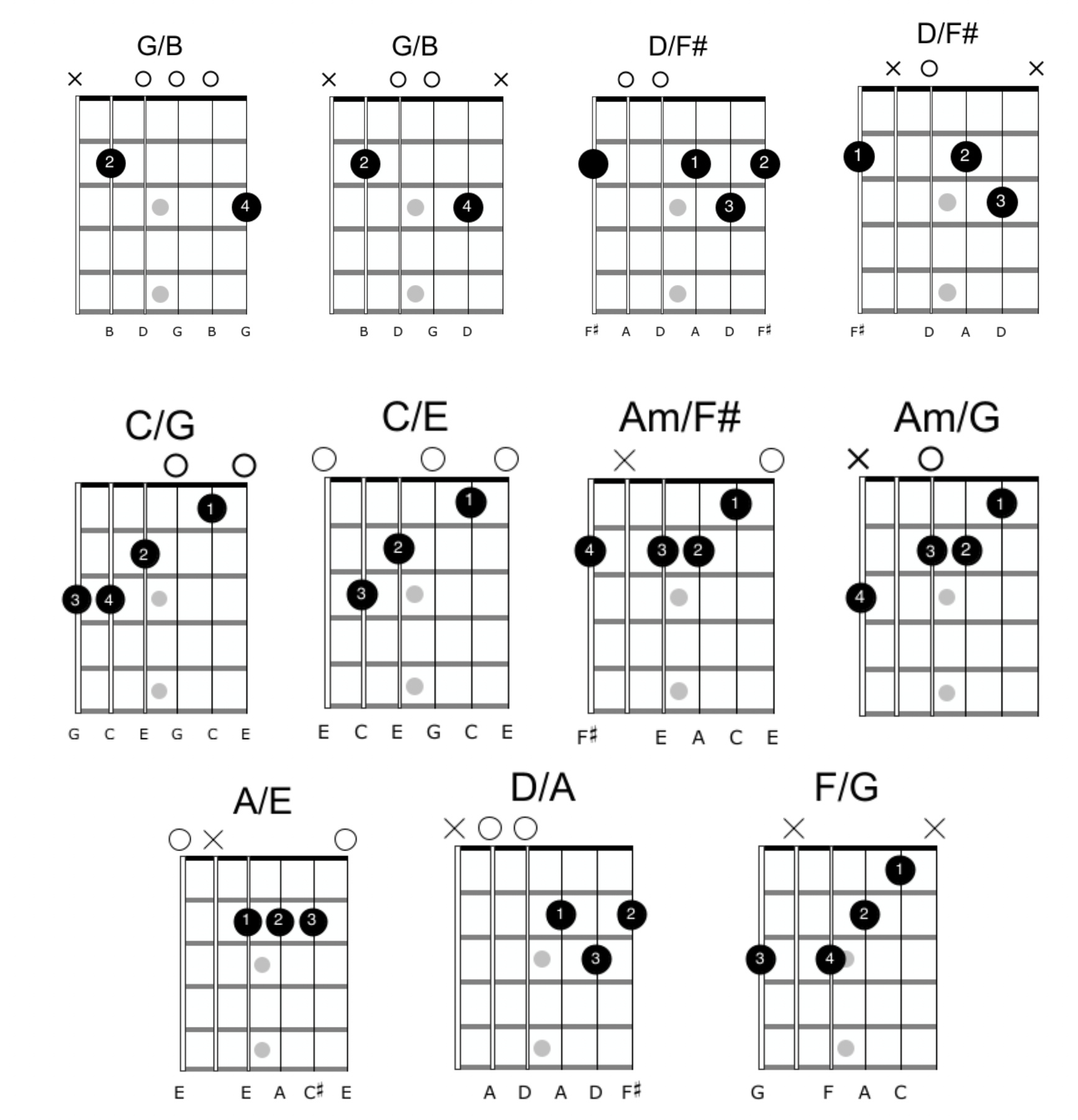
Acordes De Guitarra
¿Cuáles Son Los Acordes Básicos Para Aprender A Tocar Guitarra – TEIUNB
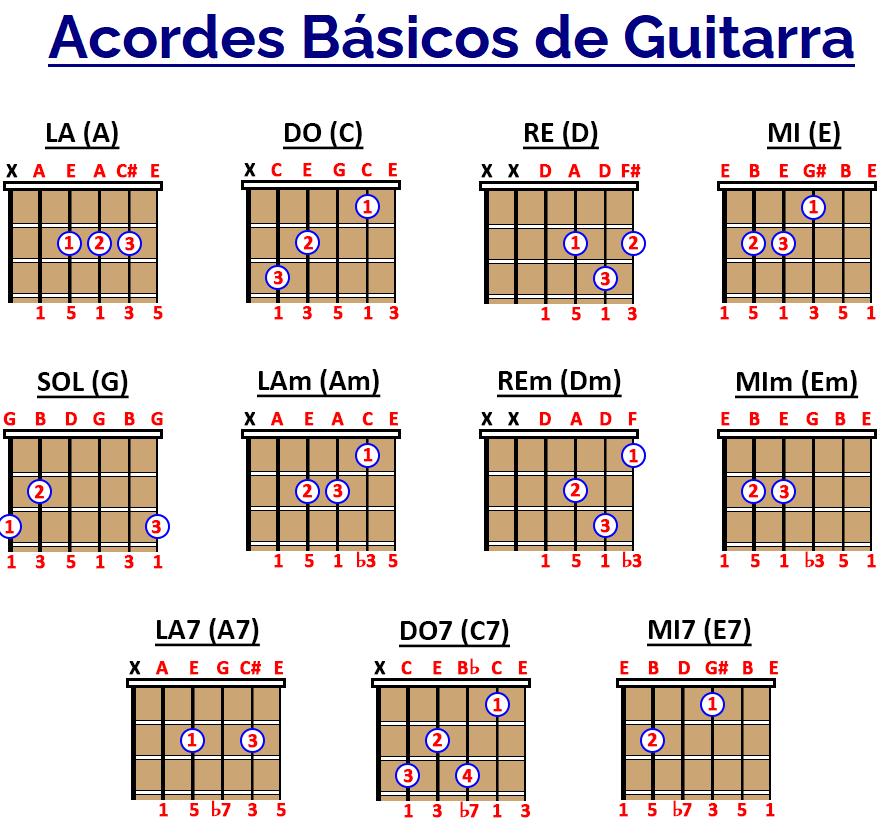
¿Cuáles Son Los Acordes Básicos Para Aprender A Tocar Guitarra – TEIUNB
Open Guitar Chords Chart

Open Guitar Chords Chart